



The complete guide
Buying Guide
Fitting a bidet solves the washing. It does not solve the drying, and that is the thing that catches people out in the first week.
The gap nobody mentions
You wash, and then you are wet.
Most people go on using paper, just much less of it, and that is a perfectly sensible answer. But if the reason you fitted a bidet in the first place was to stop buying toilet paper, then reaching for the roll at the end is a slightly comic result.
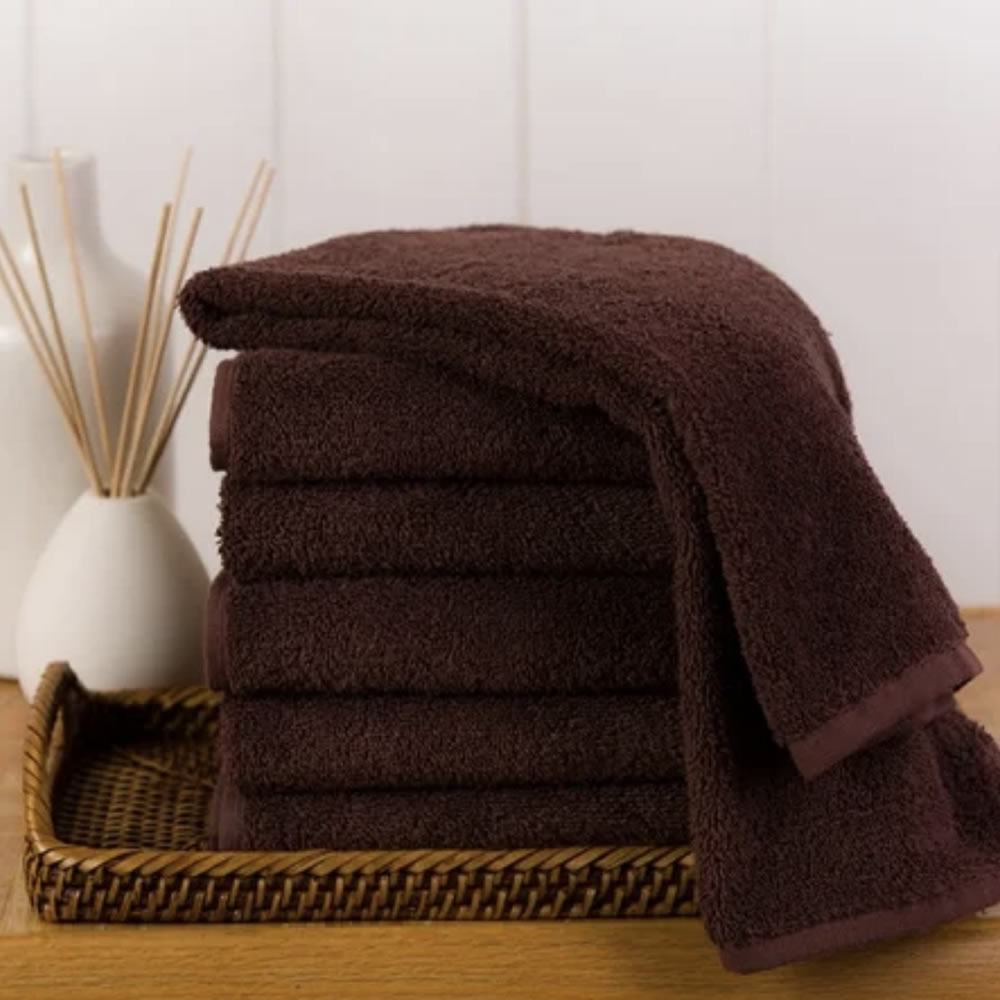
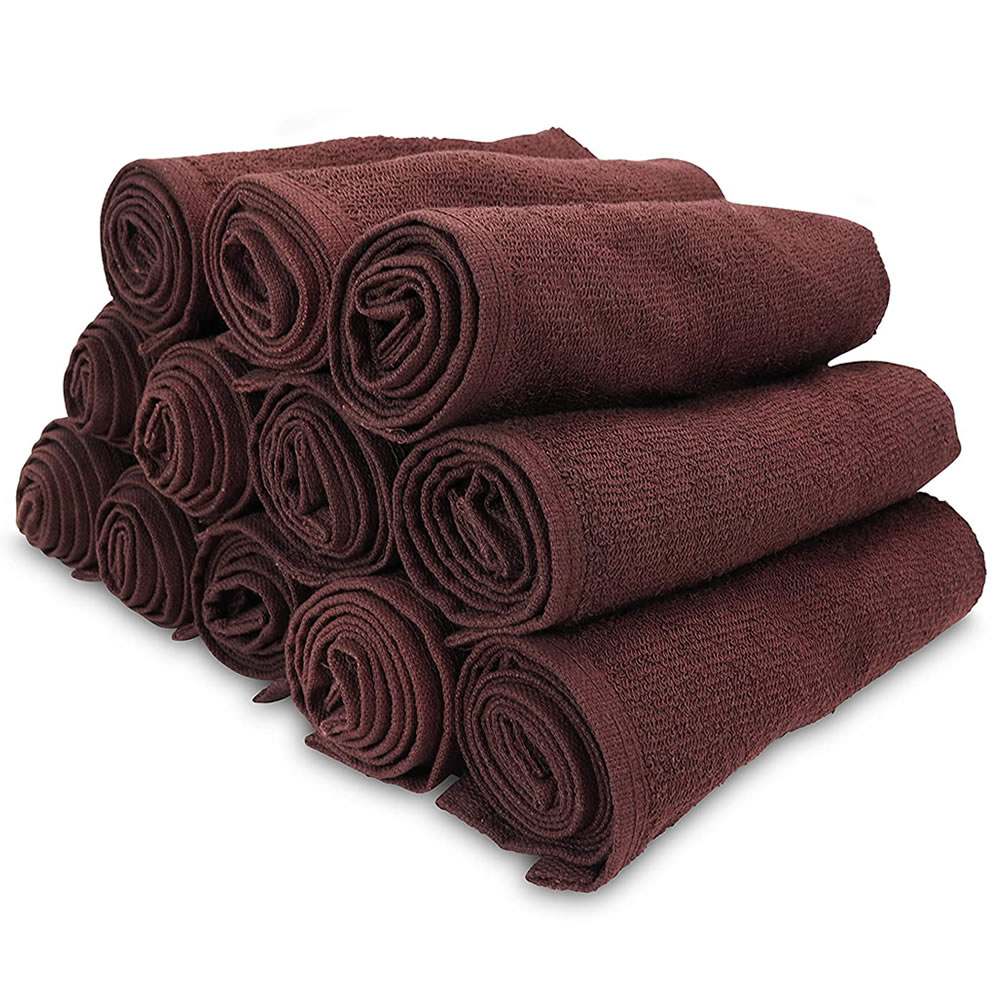
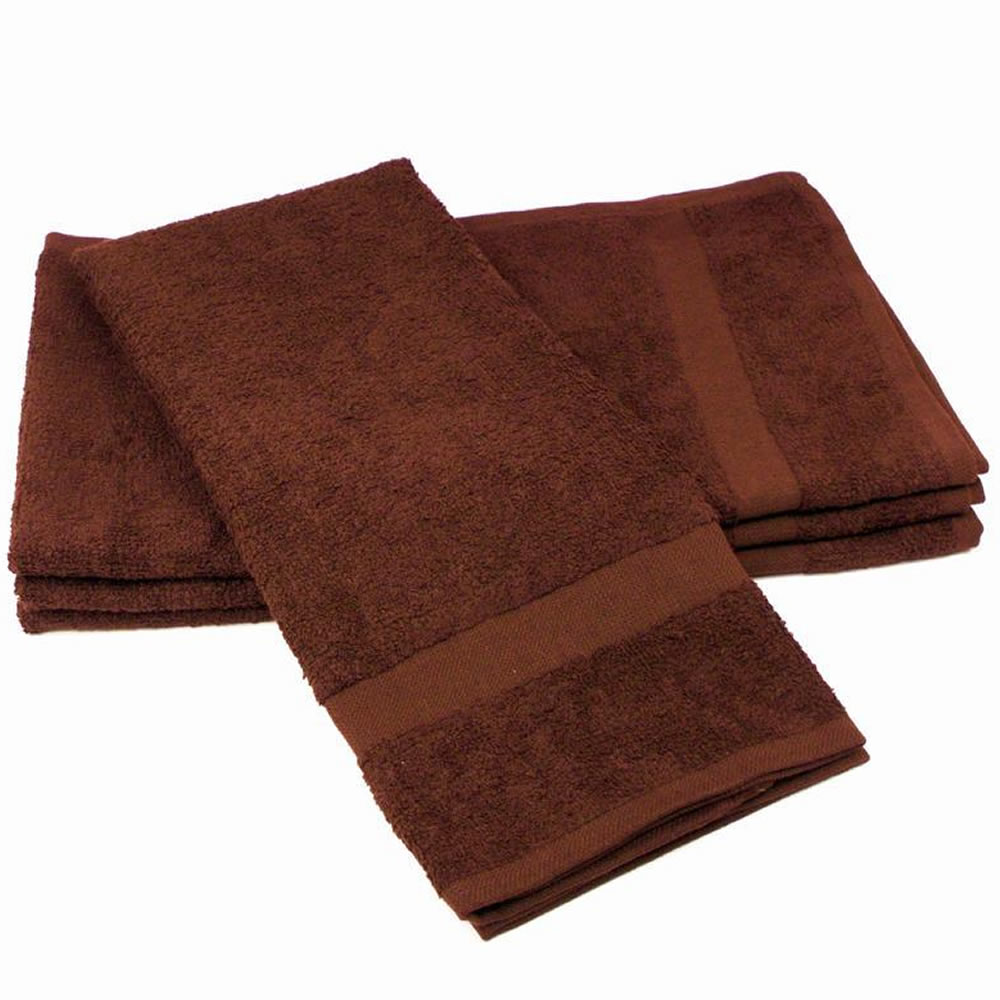
These are the alternative. Five small towels, sized for the job, washed and reused the way a flannel is.
Why five
Because a rotation is what makes it practical rather than a nuisance.
One or two in use, one or two in the wash, one spare. Households organise it differently: some assign one per person, some treat them communally like hand towels.
Most people end up with a small lidded bin beside the toilet and run them through with the towels once a week.
The laundry
Wash hot, separately from your everyday laundry, and dry them fully before they go back in the bathroom.
That last part is the only rule that really matters. A damp cloth left folded develops a smell, and that is true of every textile ever made. It is a drying problem, not a product problem.
What we do not know
The listing does not say what they are made from.
Bamboo, cotton and microfibre are all used for this kind of product and they behave differently in the wash, so printing a fibre we cannot stand behind would be worse than saying nothing. If it decides the purchase for you, ask us and we will find out from the supplier.
What we are not claiming
The live listing carried a hygiene claim about these towels that nothing supports, and that is a regulated kind of claim for a textile in the EU. It has not been carried across. The exact wording is recorded in our internal decision log rather than repeated here.
They are towels. They work because you wash them.